Highgate Cemetery
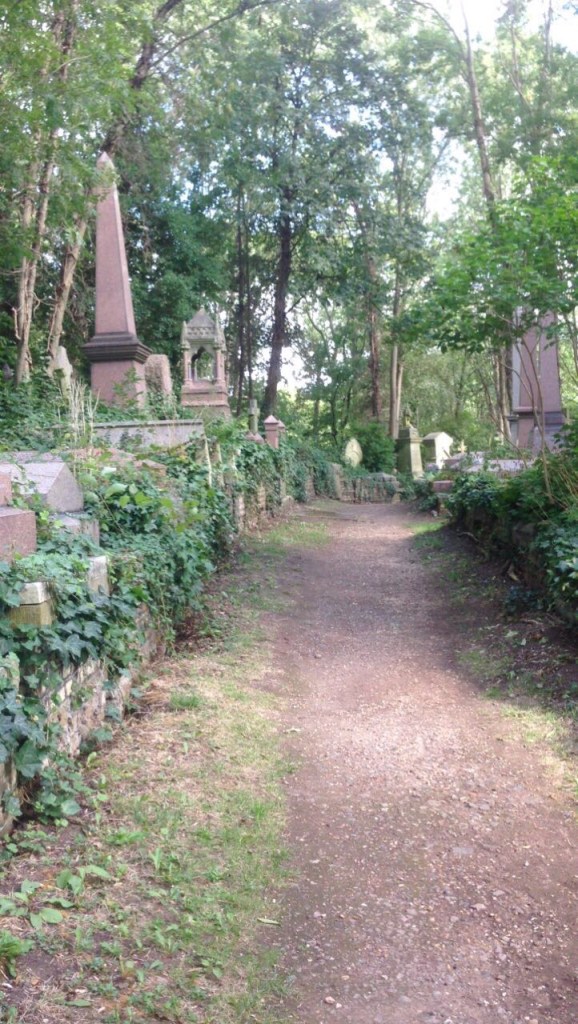
Highgate one of the magnificent 7 cemeteries in London, being the most popular one to visit, it opened in 1839 and was run by a private company and then in the 1970 it was left for nature to take over, along with vandalism. In 1975, The Friends trust recused the cemetery.
The reason behind Highgate is that in the nineteenth century there was an issue with burying the dead, as people was being placed anywhere, along with people being buried with each other, for this reason Parliament demand 7 cemeteries to be built throughout London to resolve this issue.
It now has over 170,000 people buried at Highgate, along with many famous people buried at Highgate, the most known tomb is of Karl Marx, along with many writers, poets, film stars and politics.
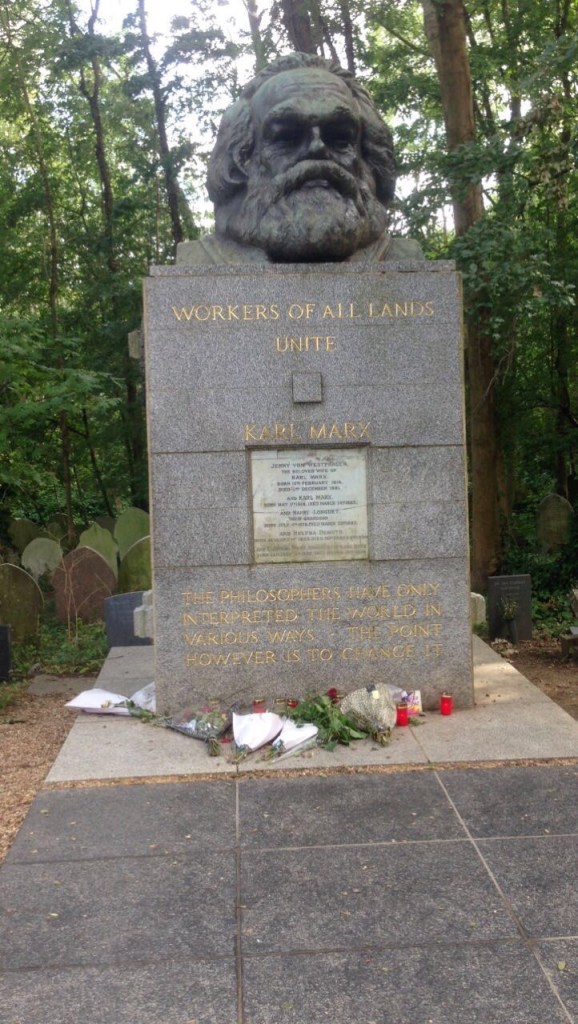
There is two side to Highgate east and west. East is self-guided at no cost whereas west is a guided tour as it does hold more history as this is the older part of Highgate.
It is one of the best dark tourism site I would definitely think about visiting when in London, through its gothic style seen throughout the cemetery and nature reclaiming the area it gives it a feel of abandonment and historicist, this is possible why over time it has attracted movie makers, vampires’ stories and grave robberies.
The main media story was in the 1970s when the story of the Highgate Vampire made the newspapers, this came about when a group of children was said to have seen something hovering above the graves within the cemetery, this caused a conflict between two people known as Farrant and Manchester who both claimed they would be the first to get ride of the so called Vampire, from media coverage making this story well known and Manchester announcing a vampire hunt on the Friday 13th March, which resulted in hunters making their way to Highgate damaging and ransacking a number of graves.
It was one night in August that Farrant was caught by the police with a crucifix and a wooden stake near Highgate. He was later arrested and jailed in 1974. The debated continued throughout the years to the death of Farrant in 2019.
St. Marin-in-the-Fields Crypt Cafe
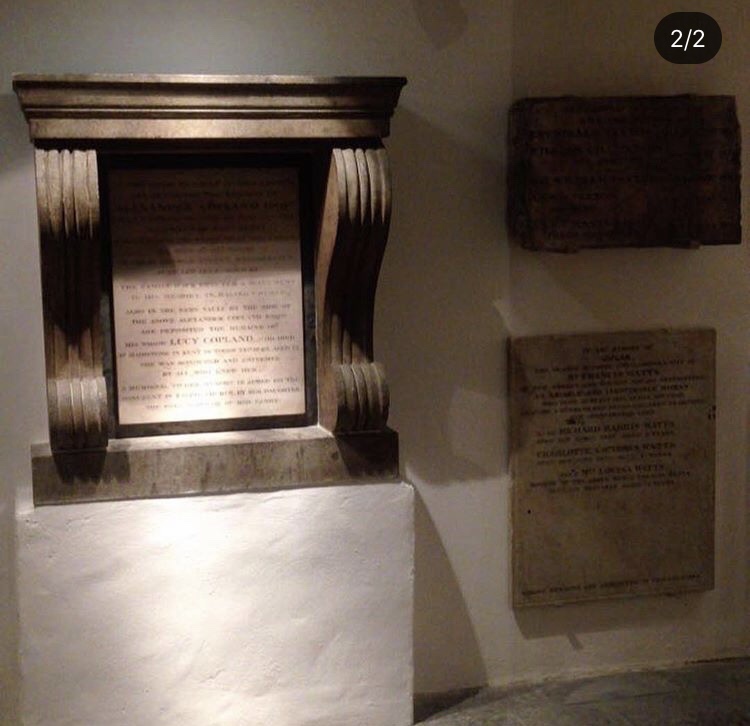
This place is a hidden gem in London, and when found, it was worthwhile. It is based on Trafalgar Square left of the church of St Martin in Crypt; you do have to go down some stairs as it is located underground.
There are not many places you can have something to eat, while sitting on someone’s headstone, I got more of a feeling that the place would be good for company events of some sort. It’s worth a trip as the food is lovely and well-priced. It made a perfect themed spot to have something to eat while we were thinking of our next dark spot to visit in London.
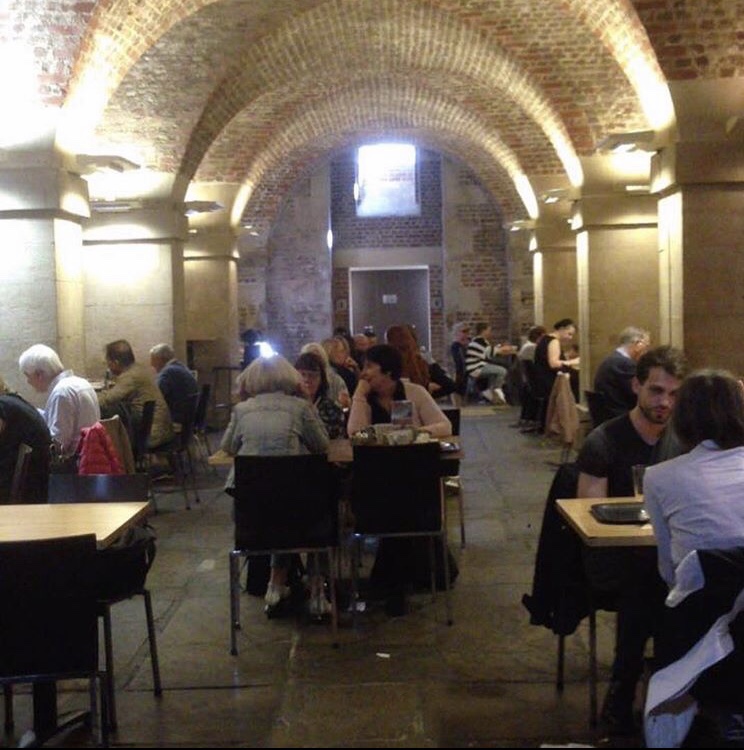
There not much to it however it is a unique café that dose hold some history as it is part of the church. I’m sure you won’t find another café like this one.
Tyburn Tree
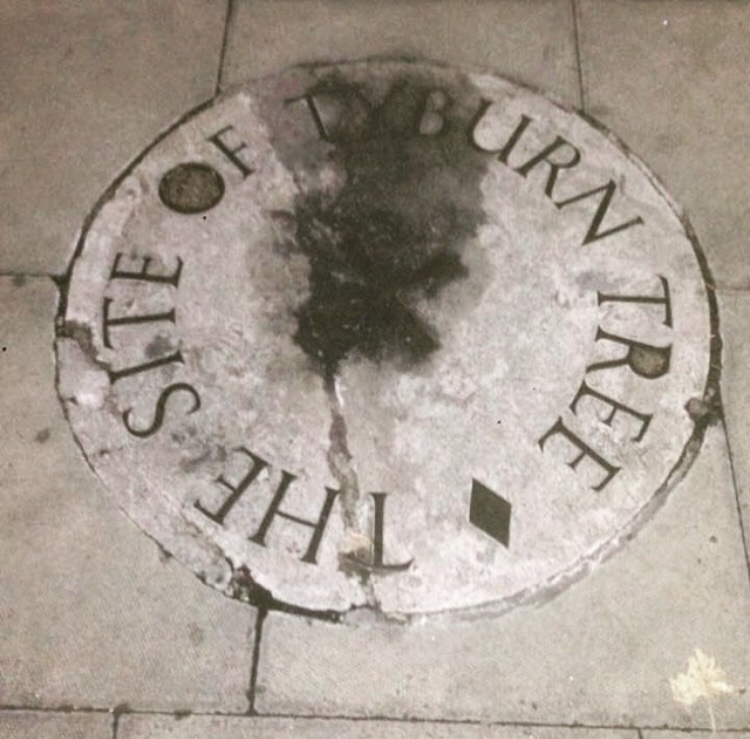
This site not easily spotted it is located near the Marble Arch, on a road junction, maybe best to visit this when it is not rush hour, It is located on the pavement in the middle of 3 trees.
This spot is famous because it was a public hanging site, the first known hanging took place in 1196. Back in this time it was seen as form of entertainment and a day out for the family. It was a way for other people to make money, as people would sell places on their balcony so people could gain a better view.
People could buy souvenirs to remember the day, things like the rope used to hang the person or an item that was owned by the person.
Even Charles Dickens was known to go hangs, attending the double hanging of Mannings in 1849, which took place outside Horsemonger Lane Gaol in London. He did try and stop public hangs after writing to newspapers, however this took another 19 years.
It is record up to 200,000 people would gather, Mass crowds would follow criminals on 3 mile cart ride from Newgate Prison (To where hangings was later moved to) to Marble Arch.
My partner did say to me when we got to the site “is that it, we came to look a stone in a pavement” Doses bring me to think should we have something more significant for this site, such as list of people who was hanged there to make it more unique, if there was seen more clearly then the location maybe made clear more to tourists, however this being done dose raise the question should we make criminals last moments a place of tourism?
The Tower of London Memorial
The Tower of London is known as one of London’s most iconic attractions for its historic past to now holding the crown of our majesty. However, this is not so much about the Tower of London but about what they held in memory of the fallen soldiers.
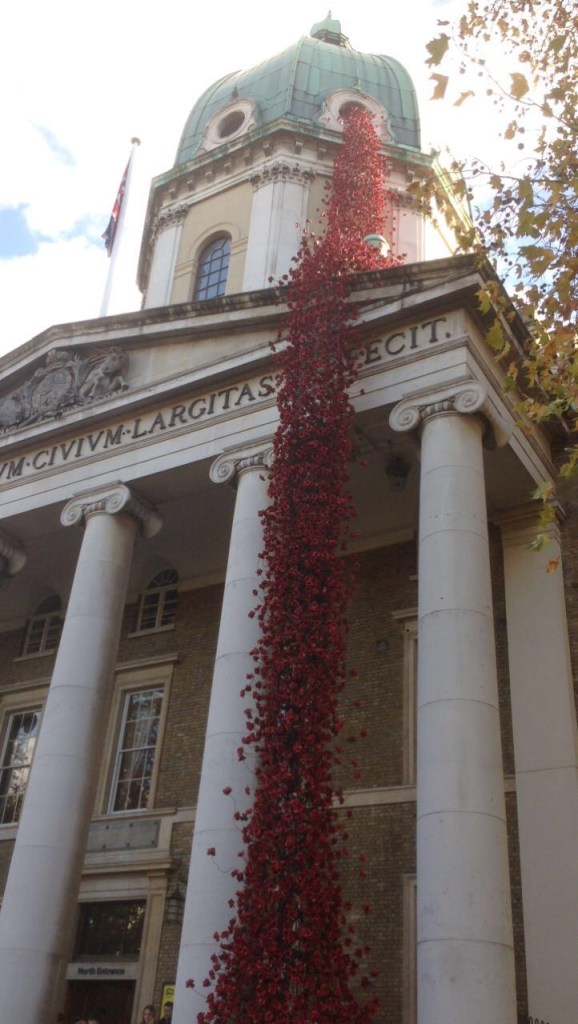
The Tower of London in 2014 held an event called the Blood Swept lands and Seas of Red, created by the artist Paul Cummins and Tom Piper, which, is where the moat was filled with 888,246 ceramic poppies by 21,688 volunteers, to represent each British military fatality in the war.
This one-off memorial event was visited by 5 million people and did create a lot of media coverage in 2014, along with being a topic in the Dark Tourism book by Rebecca Bathory.
Poppies was later used in a project which saw them separated and placed at several UK attractions such as IWM North in Manchester and Imperial War Museum in London. This was not the last of the events held by the Tower of London they later put on 10,000 flames in remembrance in 2018, which was also designed by Paul Cummins and Tom Piper, which was called Beyond the Deepening Shadow, which also saw thousands flock to the Tower of London. This event was done in memory, of closer of the First World War, were as the poppies was done in remembrance of the outbreak of the First World War.
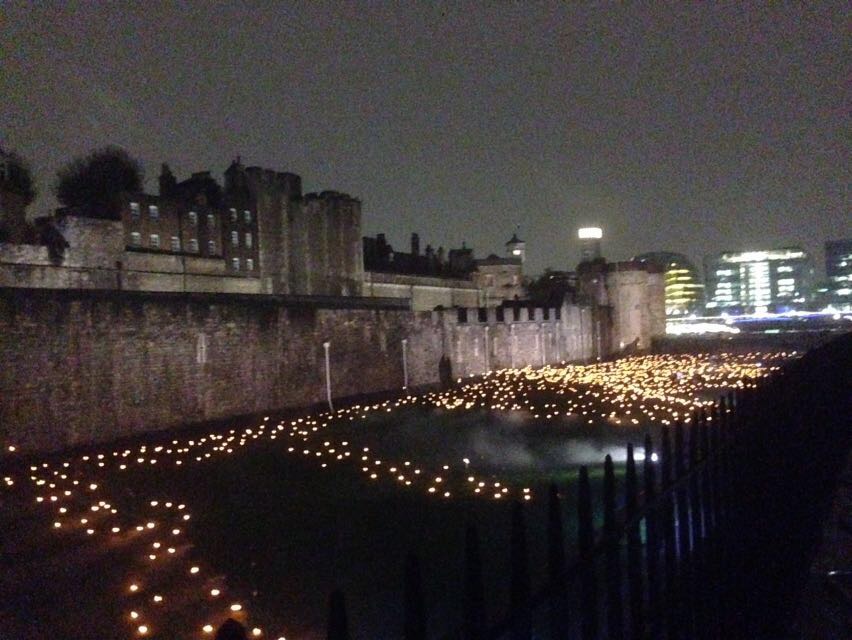
I did not visit the poppy display however I did get to get to see the flames at the Tower of London, from visiting this you were most definitely got the feel that both these events touched many people, I thought that it was an incredible way to commemorate our fallen heroes of the war.
The Hardy Tree
Thomas Hardy 1840 -1928
Tourists who visit London, visit attractions like the London Eye or wanting a picture with Big Ben. However there are attractions which are more unique and not thought of when visiting London, where history has left its footprint on our doorstep.
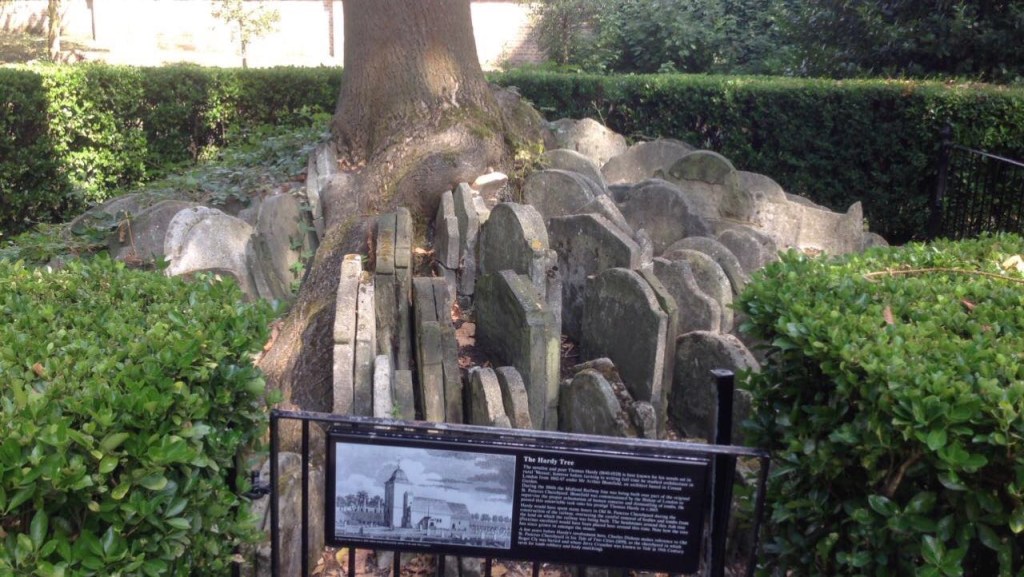
One of these places is a unique historical spot, The Hardy Tree. The novelist Thomas Hardy was assigned the job by Arthur Bloomfield, architecture of Gothic Revival style. Thomas was giving the job to unearth peoples’ graves and clear the headstones, to make way for the Midlands railway in 1860s.
The headstones were placed around the weeping ash tree to form a circle, since then the headstones have come in crusted with the tree. It’s not known if Thomas had the idea of this happening or if they were just placed there with no thought given, however Thomas work at the site did have an impact as he later wrote a poem:
His poem “The levelled churchyard” was surely inspired by this experience:
We late-lamented, resting here,
Are mixed to human jam,
And each to each exclaims in fear,
‘I know not which I am!’
It is now being threatened by a fungus, at the roots, if left unchecked it could destroy this unique piece of history, however as they say history dose repeat itself and as the HS2 is being constructed work was being carried out in 2018, to remove 45,000 bones near Euston, being St James’s Gardens in the 1780s -1850s, this give the question should we reconstruct something similar to what Thomas achieved?
Jeremy Bentham’s
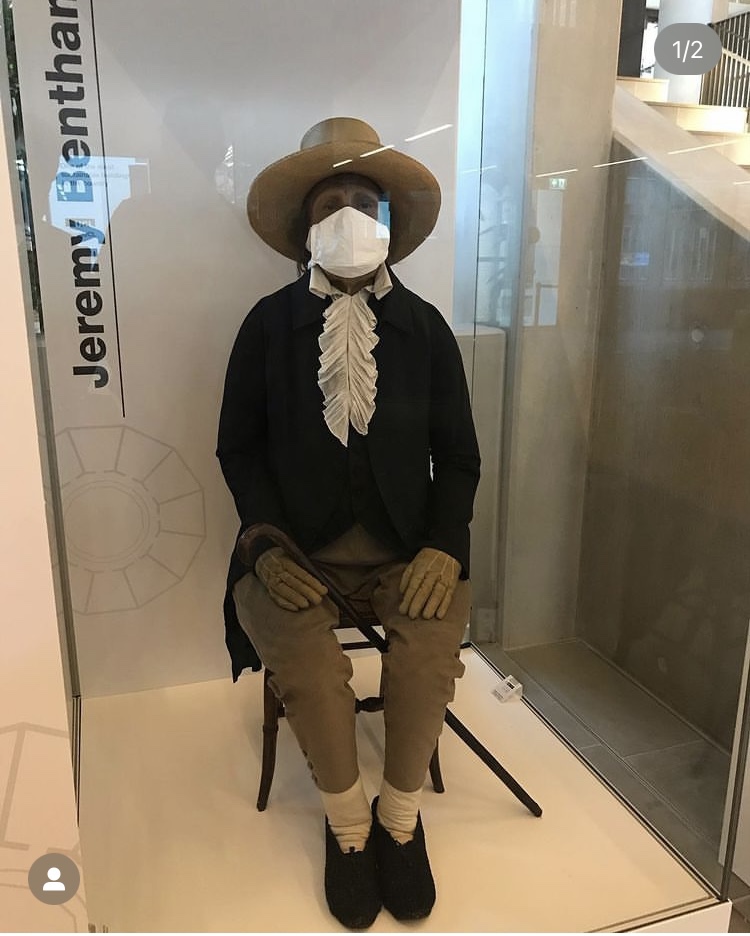
Jeremy Bentham (1748–1832) was an English philosopher and reformer, on his death he wished to have his body used for medical benefits and his body to be preserved, this was done by his good friend Thomas Southwood Smith who was a surgeon, his skeleton was then put in clothing and was padded out, the preservation of his head did not go to plan, and they had to create a wax work substitute of his head to be placed on him.
He wished to be seated upright with in a chair, which he is at the ULC, his real head was placed at the bottom of his feet however in 1975 a group of students kidnapped his head for a ransom of a £100 for charity, but the university only paid £10, and the head was returned, his real head has now been placed in a controlled room at the UCL Institute of Archaeology.
When visiting Jeremy Bentham, google maps may direct you to the back of the campus as in 2020 he was moved to a new display in UCL student centre, it best to put this in to google to get the right entrance. When going through the entrance he is noticeable straightaway directly in front of you in a glass cabinet.
St Dunstan In the East Church Garden
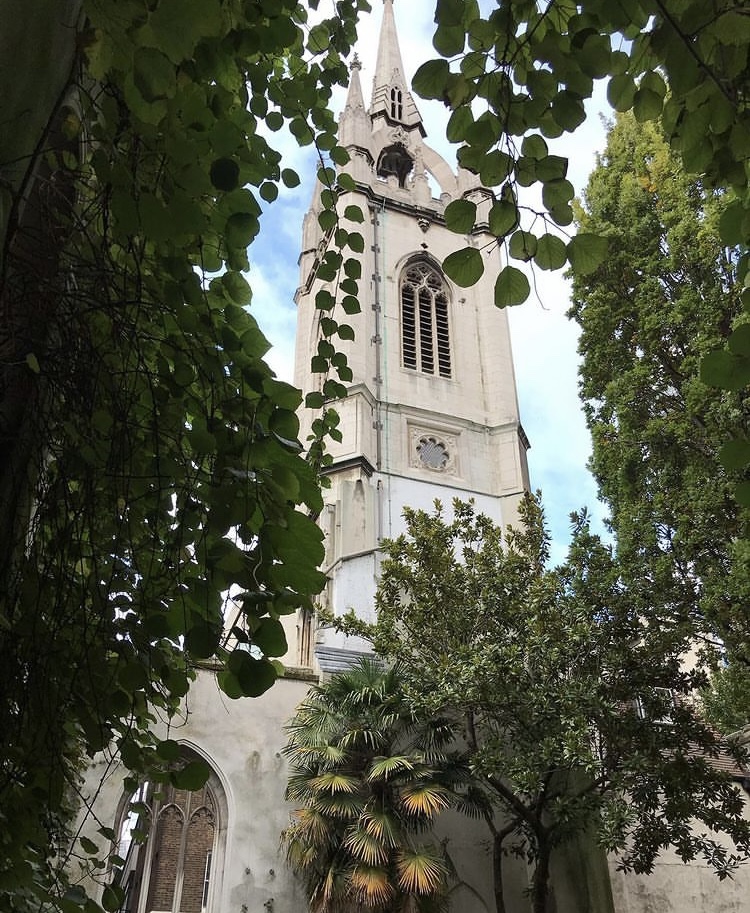
this church is over 900 years old, it is located between the Tower of London and London Bridge, when the great fire of London took hold in 1666 it was severely damaged and was rebuilt, but in 1941 the church was hit by the Blitz, most of the church was destroyed, the church was in ruins, it wasn’t to 1967 that the City of London Corporation wished to turn it into a public garden, which it is now.
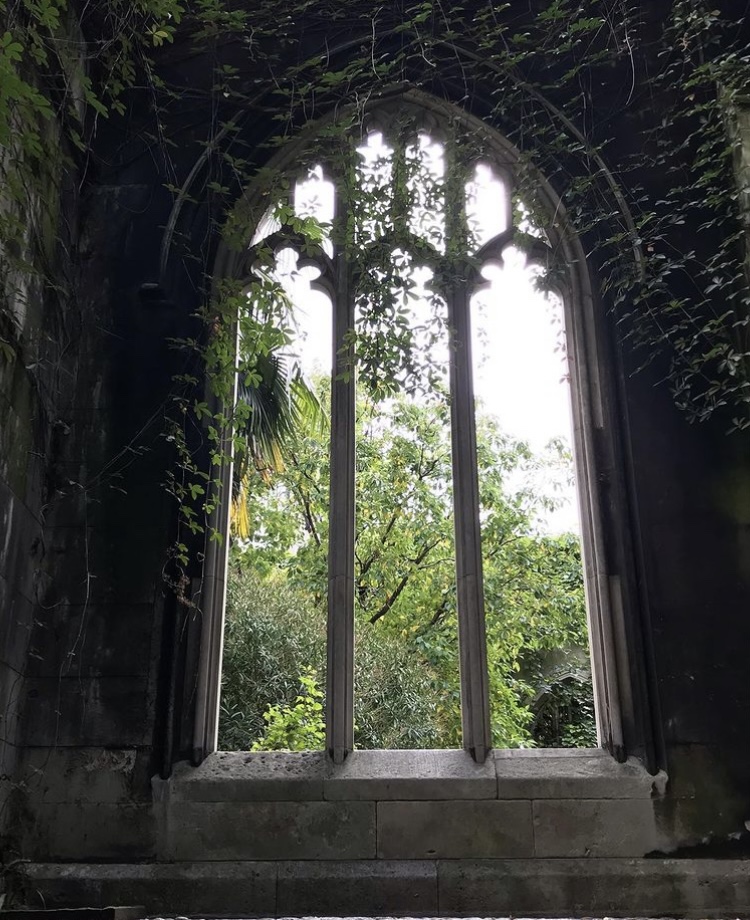
It is now considered as a secret hidden garden within London, is very popular with photography people, this possible because of the flowers and ivy that grows over the walls, it stands as a remaindered to the Blitz
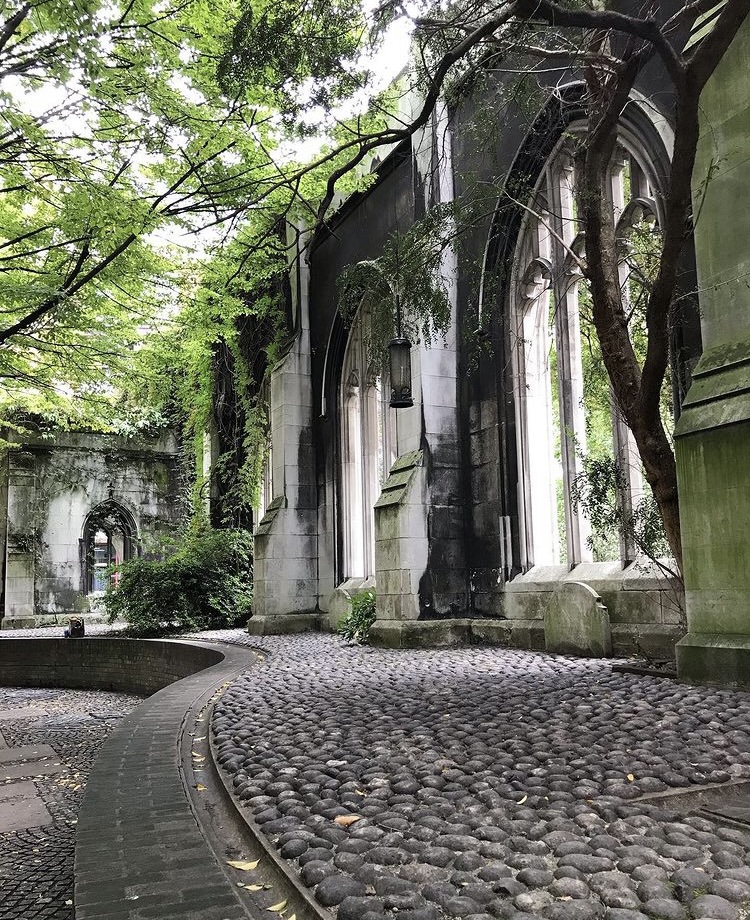
When me and my partner visited this, it did have several photographers taking pictures, but you can tell that it is a perfect little spot to hide away from the busy streets of London. It does remind me of a smaller version of the cathedral in Coventry which was also part of the Blitz. I would visit the church within the spring or summer time as you get the feel of nature reclaiming it with flowers and ivy growing over the walls.
 Dark Tourism Destinations